What Does It Cost to Expand to Europe? A Full Landed Cost Guide for US Brands
EU expansion logistics is structurally different from domestic US shipping. There is international freight, EU import duties, EU import VAT, and fragmented local carrier costs.
The budget most US brands get wrong
US brands planning EU expansion typically focus their budget on the familiar: paid social, influencer partnerships, EU customer acquisition costs. The logistics budget is usually the last thing modeled, and often based on domestic US shipping costs as a reference point. EU expansion logistics is structurally different — missing any of these cost lines turns a profitable expansion model into an unprofitable one.
Every cost line, with real numbers
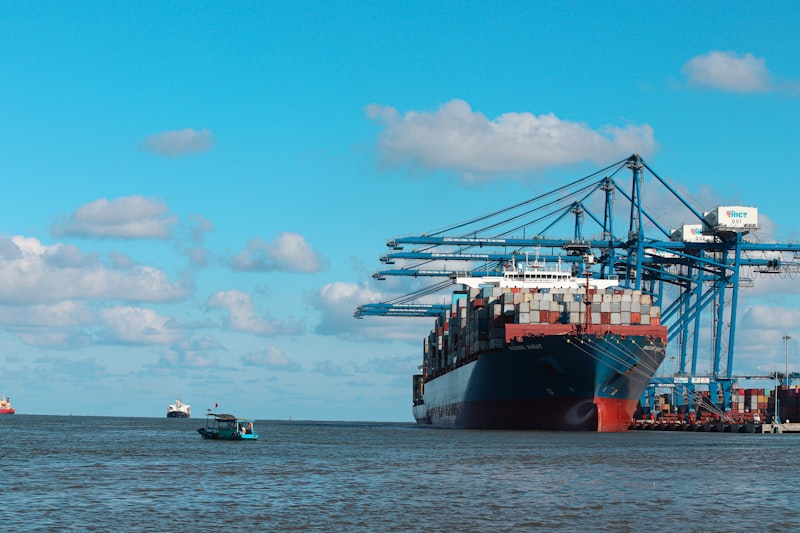
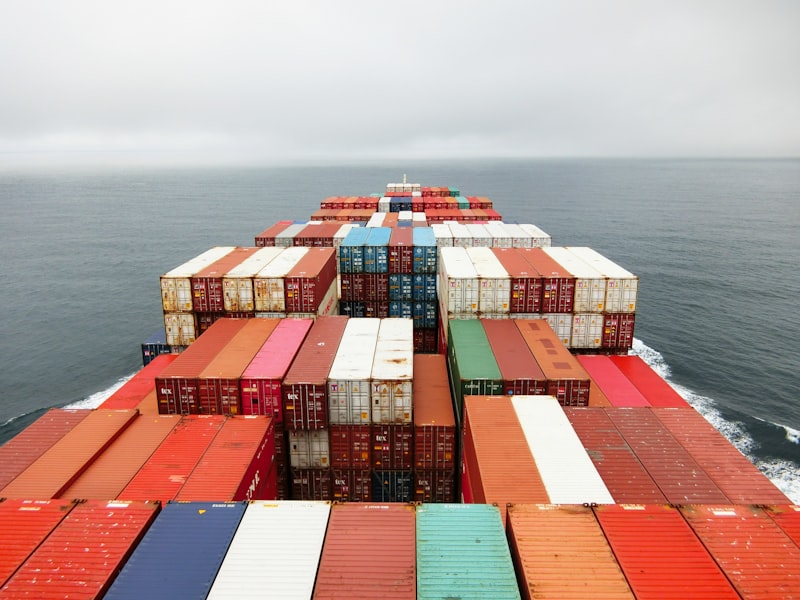
- International freight (US to EU): air freight $5-10 per kg, sea freight $800-1,800 per CBM depending on lane and season.
- EU customs duties: 0-12% on goods value depending on category. Most US consumer goods fall in the 0-5% range.
- EU import VAT: 19-22% depending on destination country, calculated on CIF value. This is the largest import cost for most categories.
- Customs broker fee: $150-350 per shipment.
- EU warehousing: 20-50 EUR per pallet per month, or 1-5 EUR per SKU per month.
- EU fulfillment per order: 3-7 EUR per order (pick, pack, materials).
- EU domestic shipping: 4-10 EUR per parcel for standard 3-5 day delivery.
- EU returns: 3-8 EUR per return processed.
Import VAT: the cost US brands underestimate most
Import VAT is the biggest surprise for US brands used to a market with no federal VAT. When your goods enter the EU commercially, import VAT is charged on the full CIF value. At 20% VAT on a $10,000 goods value with $1,500 in freight, that is $2,300 in VAT due at entry. In a DDP model (which EU customers expect), you collect and remit this. In a DAP model, it hits the customer on delivery, causing refusals. The net impact depends on whether you can recover the import VAT through EU VAT registration — in most cases, you can, making it a cash-flow impact rather than a permanent cost.
A worked example: US apparel brand, 300 orders/month EU
US apparel brand, average order value $75, 300 EU orders per month, replenishing by sea every 8 weeks. International freight: ~$900-1,300/month. EU duties (12% apparel): ~$1,500-1,800/month. Broker fees: ~$300-400/month. EU warehousing (7 pallets at $35): $250. Fulfillment (300 orders at $4.50): $1,350. EU domestic shipping (at $7): $2,100.
Total logistics: approximately $6,400-7,200 per month. On $22,500 revenue, logistics runs 28-32% of revenue. This model needs gross margin above 65% to be profitable.
The network pricing advantage
In the SPS network, your volume is aggregated with the volume of every other client. The freight rates, warehousing rates, and fulfillment rates you access are based on collective purchasing power, not your individual starting volume. This typically means 15-25% lower rates than you would negotiate independently. Combined with AI-driven routing that selects the best operator for every shipment, the all-in cost difference between SPS and managing vendors individually compounds over time.
Published May 31, 2026 · 9:00
All articles