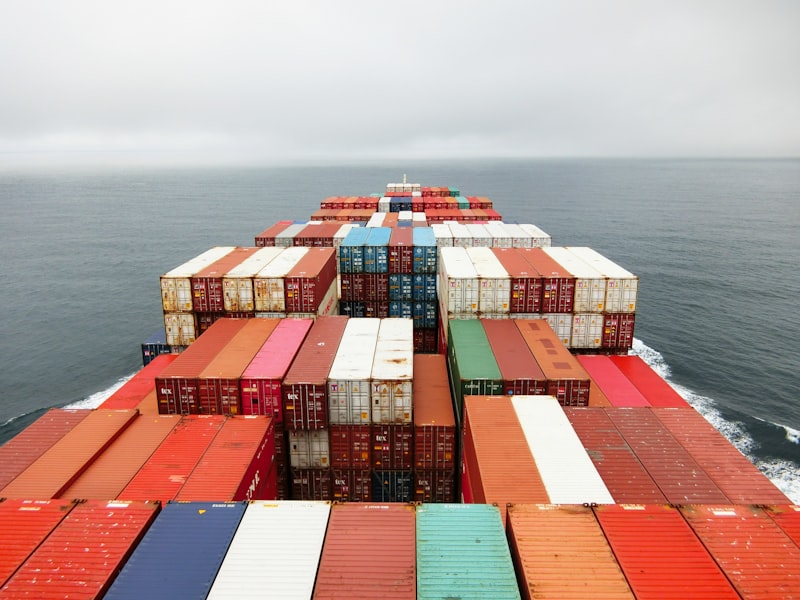
What It Really Costs to Expand to the US Market: A Realistic Budget
European brands routinely underestimate US expansion costs by 40-60% because they only budget for shipping. Here's what actually shows up on the invoice—and how to plan for it before you're caught short.
Ask ten European e-commerce founders what it costs to launch in the US, and you'll get ten different numbers—usually because nine of them only priced out ocean freight and a warehouse quote. The brands that get burned aren't the ones who underestimate demand. They're the ones who underestimate the plumbing: customs bonds, duty drawback, returns processing, chargeback exposure, and the six-week gap between paying for inventory and seeing your first US sale. A €5M European brand can expect to spend between $80,000 and $250,000 in the first 90 days before revenue catches up—and that range depends almost entirely on how well they planned the logistics stack, not the marketing.
The Real Price Tag of US Expansion: Beyond the Sticker Shock
Most budgets start and end with freight. A brand gets a quote from a forwarder—$4,200 for a 40-foot container, landed in Long Beach—and assumes that's the number to plan around. It isn't. That quote almost never includes customs bond fees, Importer Security Filing charges, demurrage if the container sits at port, drayage to the warehouse, or the 3-5% currency conversion spread most European banks quietly apply to USD transactions. By the time a container actually lands on a warehouse floor in New Jersey, the real cost is often 35-50% higher than the initial freight quote suggested.
Then there's the working capital problem, which is less a line item and more a slow bleed. European brands are used to 30-60 day payment terms with local 3PLs. US operators frequently want deposits, minimum monthly commitments, or upfront payment for the first shipment before they'll even confirm a warehouse slot. That means a brand isn't just paying for inventory and freight—it's pre-funding three months of US operations before a single American customer has checked out. For a brand doing $2M in annual EU revenue trying to replicate that in the US, this pre-funding gap is usually the single biggest surprise in the entire expansion.
The third hidden cost is compliance overhead that never shows up on a freight invoice: FDA registration for certain product categories, state-by-state sales tax nexus obligations, product labeling reformatting for US regulations, and liability insurance that meets US retailer requirements if you're planning wholesale distribution alongside DTC. None of this is optional, and almost none of it gets quoted by a freight forwarder because it isn't their job to know it exists.
Where European Brands Overspend (and Underestimate)
The most common overspend is paying for premium expedited freight to fix a planning problem. Brands that didn't build in enough lead time end up air-freighting inventory at 5-8x the cost of ocean freight just to hit a launch date or restock before a stockout. This isn't a logistics failure—it's a forecasting failure that logistics gets blamed for. The fix isn't faster shipping; it's better visibility into inventory position 8-10 weeks out, which is exactly what a self-healing supply chain is designed to catch before it becomes an emergency.
The most common underspend, by contrast, is returns infrastructure. European brands accustomed to EU return rates of 8-12% get blindsided by US apparel and footwear return rates that regularly hit 20-30%. If a brand hasn't budgeted for a US-based returns processing workflow—inspection, restocking, disposition decisions on damaged goods—every return becomes a manual fire drill that costs far more per unit than it would if built into the original operating budget. Reverse logistics isn't an afterthought line item; for many categories it's 15-20% of total US logistics spend.
Warehousing costs also get systematically underestimated because European brands price based on square footage rather than transaction volume. US 3PL and warehousing operators typically charge per pick, per pallet movement, and per storage unit per month—a pricing model that punishes low-velocity SKUs and rewards brands that understand their own inventory turn rates. A brand with 200 SKUs and slow-moving tail inventory will pay dramatically more per unit shipped than a brand with a tight catalog of 30 fast movers, even at identical revenue levels.
Building a Realistic US Entry Budget
A defensible first-90-day budget for a €5M-€15M European brand typically breaks down across five categories: customs and duties (8-15% of landed goods value depending on HS classification), international freight ($3,000-$6,000 per container plus 20-30% in fees rarely included in the base quote), US warehousing setup and first three months of storage ($15,000-$40,000), fulfillment operations including pick, pack, and last-mile shipping ($4-$9 per order depending on product size and carrier mix), and a compliance/legal buffer ($8,000-$20,000) covering registration, tax nexus setup, and insurance.
Rather than guessing at these numbers in a spreadsheet built for the EU market, it's worth running your actual SKU count, order volume projections, and product dimensions through a proper US fulfillment cost calculator before signing any contracts. The gap between a rough estimate and an actual quote based on your specific catalog is usually where brands either protect their margin or quietly erode it for the next 18 months.
It's also worth budgeting a contingency line of 15-20% on top of every category above. Not because vendors are dishonest, but because US logistics has more moving parts than most European operators account for on a first pass—peak season surcharges, fuel adjustments, state tax rate changes, and carrier rate increases that get announced with 30 days' notice and take effect regardless of your existing contracts.
How SPS Solves the Budgeting Problem
The reason US expansion budgets blow up isn't usually bad math—it's fragmentation. A brand signs a contract with a freight forwarder, a separate one with a customs broker, another with a warehouse operator, and a fourth with a fulfillment provider, and none of those four parties are financially or operationally accountable to each other. When freight is delayed, the warehouse doesn't know. When a customs hold hits, the fulfillment team finds out when inventory doesn't show up. Each handoff is a place where cost creeps in and nobody owns the fix.
SPS operates as an Agentic 4PL specifically because that fragmentation is the actual cost driver, not any single vendor's rate card. We don't own the warehouses, the trucks, or the customs brokerage—we own the intelligence layer that orchestrates all of it under one contract, one invoice, and one accountable relationship. When a shipment gets flagged for a customs review, the same system that filed the entry is already recalculating fulfillment timelines and adjusting inventory allocation across our network, without a founder in Berlin or Amsterdam having to manually coordinate four different vendors across three time zones.
This is what we mean by a self-healing supply chain: the network detects a problem—a port delay, a carrier rate spike, a customs classification issue—and re-routes around it before it becomes a budget overrun or a stockout. Because we don't own the assets, we're not incentivized to protect any single operator's margin; we're incentivized to route your freight, your storage, and your fulfillment to whichever combination actually performs best for your specific catalog and volume. That's the difference between hiring four vendors and hiring one accountable partner who orchestrates all of them on your behalf.
Frequently Asked Questions
How much working capital should a European brand set aside before launching in the US?
Plan for 90 days of fully-funded operations beyond your initial inventory purchase—covering freight, customs, warehousing deposits, and fulfillment fees—before you expect meaningful revenue offset. For most brands in the €5M-€15M range, that's realistically $80,000-$250,000 depending on category and volume.
What's the biggest cost European brands consistently forget to budget for?
Reverse logistics. US return rates run significantly higher than EU averages in apparel, footwear, and beauty categories, and processing those returns—inspection, restocking, and disposition—typically adds 15-20% to total logistics spend if it isn't planned for from the start.
Is it cheaper to use one 4PL partner instead of separate vendors for freight, customs, and warehousing?
In almost every case, yes—not because any individual line item is cheaper, but because the coordination overhead and hidden delay costs of managing four separate vendor relationships disappear. One accountable partner also means no finger-pointing when something goes wrong mid-shipment.
Do I need a US entity before I can budget accurately for fulfillment and warehousing?
Not necessarily for initial quotes, but you will need proper tax registration and, in most cases, a US business presence before signing warehousing and fulfillment contracts. Factor legal and compliance setup into your first-90-day budget rather than treating it as a later step.
Get a Budget You Can Actually Trust
Every European brand we've worked with came in with a spreadsheet that was wrong in the same three places: freight fees, working capital timing, and returns. The fix isn't a better spreadsheet—it's a partner who orchestrates the whole network so the surprises show up as adjustments, not emergencies. Talk to the team at spsfulfillment.com about what your actual first-90-day budget should look like before you commit to inventory you can't yet move.
Published September 1, 2026 · 16:00
All articles